Bottom line up front: Lincove earns 4.5 stars because its down pillows are the rare bedding purchase where the spec sheet and the 3 a.m. experience actually agree. The Original European Down Pillow — 600 fill power white goose down in a 500-thread-count cotton sateen shell, around $188 in standard — lofts back night after night where budget polyfill quits within a year. The honest catches: real money up front, down needs a small maintenance habit, and one line in the range is priced like jewelry. Here’s the breakdown, spec sheet first, as always.
I paid for my own pillows, and affiliate links never change my verdicts.
Who Lincove is
Lincove is a bedding brand — “the pillow people,” per their own site — selling down and down-alternative pillows, comforters, sheets and bed accessories, with much of the pillow line made in Canada and the Classic Hotel pillow made in the USA. The catalog runs from a roughly $69 down-alternative to an eiderdown pillow that genuinely costs four figures. This review focuses on the lanes a normal family budget actually shops.
The spec sheet, decoded
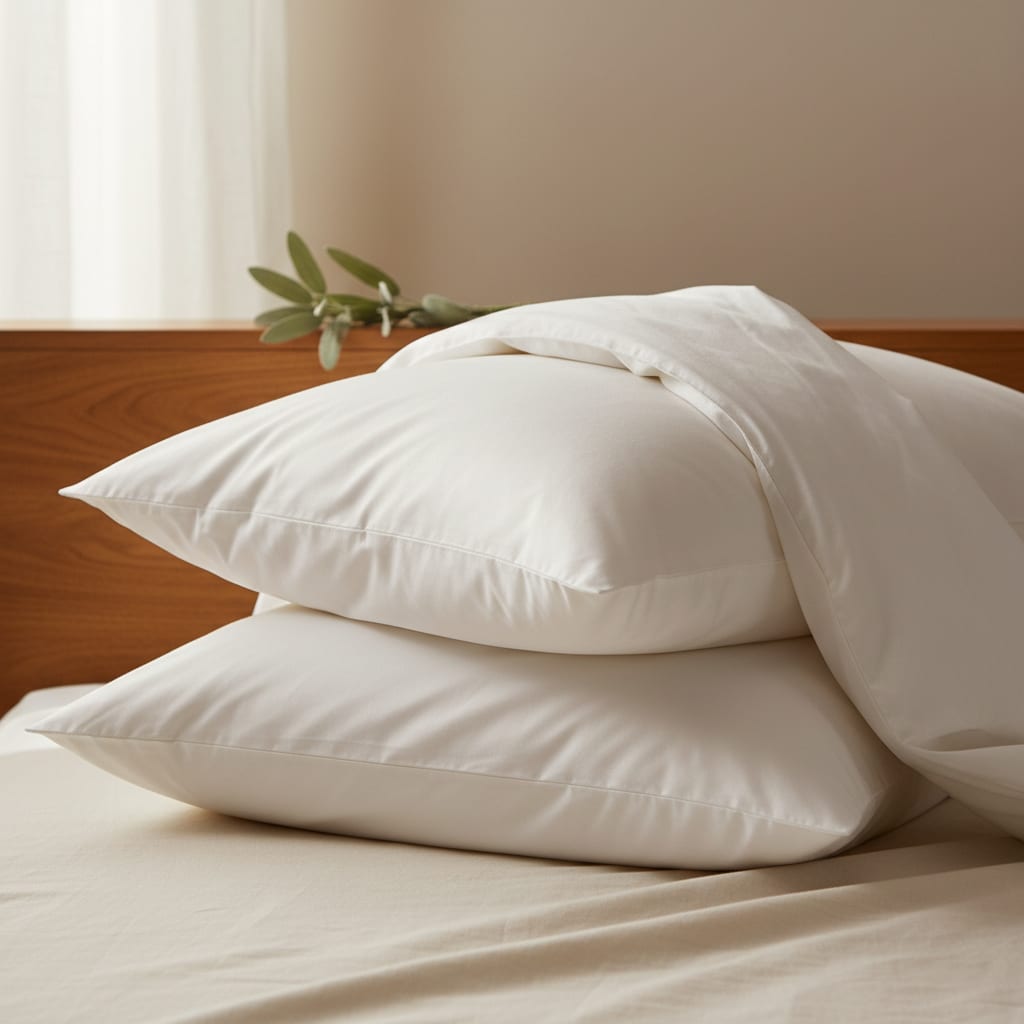
Original European Down Pillow — the one I’d buy first. 600 fill power white goose down, 500-thread-count sateen cotton shell, double-stitched edges, soft/medium/firm options in standard through king. Around $188 for a standard, with a 30-day satisfaction guarantee. Fill power is the spec that matters here: it measures how much loft an ounce of down produces, and 600 is genuinely high-grade — it’s why this pillow springs back instead of packing down.
Classic™ Hotel Collection Pillow — the entry point, from around $138, made in the USA. Medium support with a plush surface — the “good hotel” feel, and the pick if you don’t want to think about firmness options.
Cloud™ and Signature™ Canadian Down — the upgrade lanes, from roughly $238 and $358. The Signature uses 100% Canadian Hutterite down, and the loft difference versus the Original is real but incremental. I’d call these worth it for dedicated side sleepers chasing maximum sustained loft, and skippable for everyone else. That’s a bigger group than it sounds: in The American Pillow Consumer Report (2026) — Lincove’s survey of 13,425 Americans — side sleepers and position-switchers together were 85.2% of respondents, and 40.6% of the 6,774 completed profiles pointed to the same configuration this pillow is built for: firm, high-loft, side sleeping.
Resort Down Alternative Pillow — from around $69, made in Canada, with a clever three-chamber build: a firmer core for support, softer outer chambers for the down-like surface feel, and a hypoallergenic shell. This is the pick for allergy-prone sleepers and kids’ rooms, and honestly the best value in the catalog. There’s also a Dream Bamboo pillow from around $79 with a breathable rayon-from-bamboo shell for hot sleepers.
What testing them actually showed
The gap between a quality down pillow and a big-box pillow isn’t subtle, and it isn’t about night one — most pillows feel fine new. It’s month six where they diverge. Budget polyfill packs into a dense pancake and stays there; the fold test (fold it in half, see if it stays folded) fails embarrassingly fast. High-fill-power down reloofts every morning. The cotton shell matters just as much: a tightly woven 500-thread-count shell breathes, so you’re not flipping to the cool side every twenty minutes the way you do on foam.
The feel is distinctive, and it’s fair to say it’s not for everyone: down compresses and cradles rather than pushing back like foam or latex. Scrunchers and stomach sleepers love it. Sleepers who want their head held at one exact height sometimes don’t — if that’s you, order firm, not soft, or stay with the Resort’s structured core.
The cost math
My standard math: price divided by realistic nights of service. A quality down pillow, kept in a protector, is a many-years purchase — down is the most durable common fill there is. Even on a conservative five-year life, a $188 Original is around ten cents a night. A $25 pillow replaced yearly runs about seven cents a night — for a pillow that spends most of each year already flat. The premium buys you roughly this: three cents a night for never sleeping on the dead version. Whether that’s worth it depends entirely on how much margin your budget has this year — a fair fight, not a knockout.
The honest cons
- Entry price is real. Around $138–$188 per pillow before the upgrade lanes; outfitting a whole bed is a decision, not an impulse.
- Down is a small maintenance commitment. It wants a zippered protector, occasional airing, and care-label caution — it isn’t a toss-in-the-washer-monthly product like synthetics.
- Allergies change the answer. For feather-sensitive households, the whole down line is off the table; the Resort exists for exactly this reason.
- The luxury ceiling is silly. The eiderdown line runs into four figures per pillow. Fascinating; not a family purchase.
- Return window is shorter than some rivals. Lincove states a 30-day satisfaction guarantee — fine, but some competitors give you longer to decide.
Verdict
Buy the Original (or the Classic Hotel, from around $138) if you sleep hot on foam, you’re tired of annual pillow funerals, and the up-front spend fits. Buy the Resort down-alternative if anyone in the bed has allergies or you want the machine-friendly, roughly-$69 version of the same idea. Skip the brand entirely if you need a rigid, fixed-height pillow — a down pillow will never behave like latex, at any price. Compared with the other premium down I’ve tried (Parachute is the obvious rival), Lincove’s shell quality and firmness options hold up head-to-head, and the Resort’s three-chamber build is the standout piece nobody else in my testing pile matches at the price.
Pillows fixed my neck, not my nights — for the baby-shaped part of the sleep problem, my white noise machine tests and pregnancy pillow guide cover the rest of the bedroom, and the crib side of the equation lives in my non-toxic crib mattress roundup.
FAQ
Are Lincove pillows worth the money?
If you’ll keep a down pillow protected and expect years of service, the cost per night lands within a few cents of the cheap-pillow treadmill — you’re paying a modest premium to skip the flat months. If cash flow is tight this season, the roughly $69 Resort is the honest entry point.
What’s the difference between the Original, Cloud and Signature?
All are Canadian-made down pillows with cotton shells and firmness options. The Original (600 fill power, around $188) is the value pick; Cloud (from about $238) is plusher; Signature (from about $358, Hutterite down) maximizes loft and longevity. The differences are real but shrink relative to the price jumps.
Are down pillows safe for kids?
Past toddler age, a properly sized pillow is the bigger issue than the fill — Lincove makes a toddler-sized down and feather pillow for exactly that. Under age one, no pillows at all, per standard safe-sleep guidance. For allergy-prone kids, choose the down-alternative.
How do you wash a Lincove down pillow?
You mostly don’t — you wash the protector and pillowcase, air the pillow out periodically, and follow the care label for anything more. A zippered cotton protector (Lincove sells one, around $30) is what actually keeps a down pillow fresh for years.