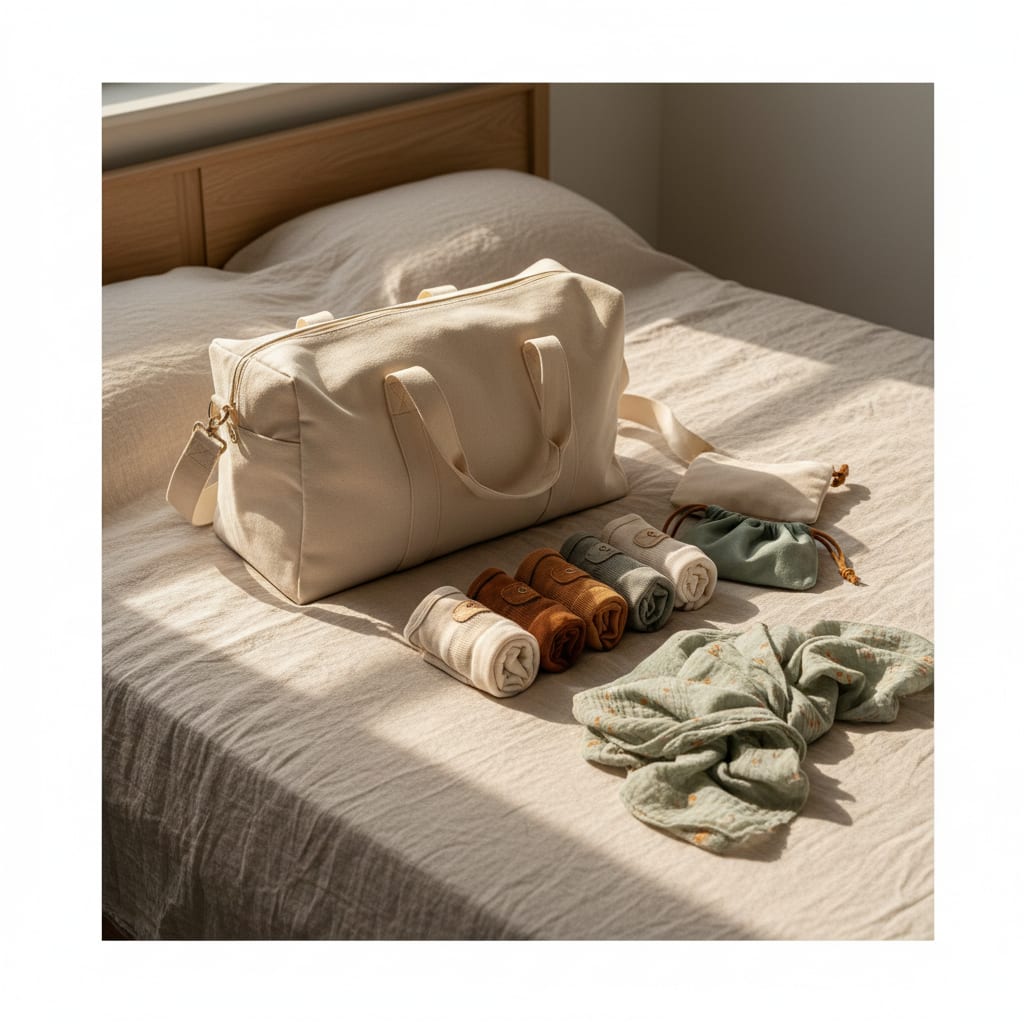
Bottom line up front: pack three small bags — a labor bag, a postpartum bag, and a baby-plus-partner bag — instead of one giant one, because the person digging for lip balm during a contraction is not going to excavate a duffel. Below is the full checklist for each bag, packed-by dates, and the honest list of what everyone (including past me) overpacks.
This list is backed by two hospital stays of my own and a running poll of every mom friend I’ve made since. The pattern is universal: everyone overpacks clothes and entertainment, and everyone wishes they’d packed more snacks and a longer phone cord.
Why three bags beats one
Labor, recovery, and baby care happen at different times, in different parts of the room, often with different people doing the fetching. Three small, labeled bags mean your partner can grab “the labor bag” without triage, the postpartum bag stays untouched until you actually move to the postpartum room, and nothing for the baby is buried under your bathrobe. Small duffels or even packing cubes inside one suitcase both work — the point is separation, not luggage.
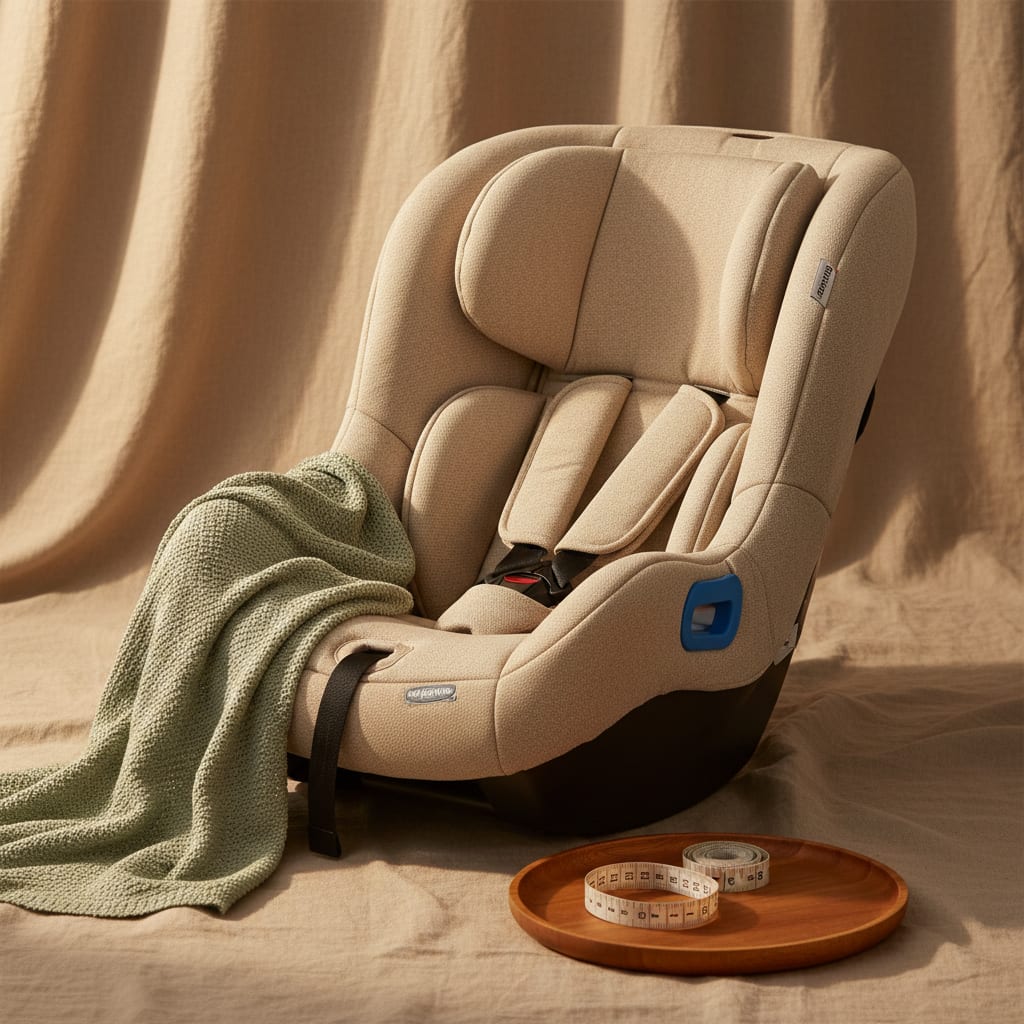
Timing: pack by week 36, or week 34 if you’re higher-risk or carrying multiples. The car seat should be installed by then too — it’s the one item on this page you cannot improvise.
Bag 1: Labor
The small one. It lives within arm’s reach.
- Paperwork: ID, insurance card, and several printed copies of your one-page birth plan
- Long charging cable and a wall block — hospital outlets are never near the bed
- Lip balm — the single most-requested item in every labor story I’ve collected
- Hair ties or headband
- Water bottle with a straw lid, like a Stanley Quencher — the straw matters; you’ll drink lying down
- Snacks for labor-if-allowed and immediately after — you will be hungrier than you have ever been
- Massage tools / tennis ball if counterpressure is in your plan
- Bluetooth speaker or headphones, downloaded playlists
- Your own pillow in a colored (not white) pillowcase, so it comes home
- Glasses if you wear contacts — many people labor in glasses
Bag 2: Postpartum (yours)
Opens after delivery. Everything here is about comfort and recovery.
- 2–3 nursing-friendly sleep outfits — dark colors, soft, front-opening; you’ll live in these, not the cute robe
- Going-home outfit sized around six months pregnant — not pre-pregnancy anything
- Real underwear you can sacrifice, plus trust the hospital’s mesh pairs — take extras home shamelessly
- Toiletries: travel basics, plus dry shampoo — the first real shower may be a while
- Flip-flops for the shower, warm socks for everything else
- Nursing bra or soft bralettes (2), nipple balm (like Lansinoh lanolin) if breastfeeding
- Peri bottle upgrade, like the Frida Mom upside-down peri bottle, if you’ve bought one; otherwise the hospital’s works
- Any daily medications, in original bottles
- Eye mask and earplugs — postpartum wards are loud at exactly the wrong times
The hospital genuinely provides pads, mesh underwear, ice packs, and basic baby supplies. Packing your own versions of all of it is the classic first-timer move — take theirs, it’s built into the bill anyway.
Bag 3: Baby + partner
- Installed car seat (in the car, checked, by week 36 — non-negotiable)
- 2 going-home outfits for baby in different sizes — newborn and 0–3; babies decline to preorder their size
- A couple of swaddle blankets, such as aden + anais muslin swaddles — one for the trip home, one for backup
- Weather layer appropriate to the season for the trip to the car
- Pacifier if you plan to use one
- For your partner: full change of clothes, toiletries, phone charger, their own snacks, and cash/card for the vending machine era at 3 a.m.
- Small gift for a visiting older sibling, if that’s your situation — cheap insurance for the first meeting
Note what’s missing: diapers, wipes, formula samples, baby toiletries, a baby bathtub of any kind. The hospital covers the stay, and your home stock covers home — my minimalist registry has the newborn-diaper math.
What everyone overpacks
- Entertainment. Books, tablets, a “labor project.” Labor is not a layover; nobody reads.
- Your own towels and pillowfort. One pillow, fine. The full bedding recreation just rides back and forth in the trunk.
- Multiple cute outfits for you. You will wear the sleep outfits. Photos happen in them too, and that’s fine.
- A full makeup bag. Bring the two items that make you feel human, skip the kit.
- Newborn accessories — headbands, shoes, outfit changes for photos. The baby will be swaddled 95 percent of the stay.
- The entire diaper bag. It’s a hospital. They have the baby things.
The pattern behind all of it: people pack for an imagined leisurely stay instead of the actual event, which is a medical marathon followed by a nap shortage.
FAQ
When should I pack my hospital bag?
By week 36 for a typical pregnancy, and by week 34 for twins or any flagged risk of early delivery. Pack the bags, stage them by the door or in the trunk, and install the car seat the same weekend — bundling the deadlines is how they actually get done.
What should I NOT bring to the hospital?
Valuables and jewelry, large amounts of cash, more than one bag’s worth of clothes, your own baby supplies (the hospital stocks them), and anything you’d be sad to lose in a room you’ll leave in a hurry. If you’d cry about losing it, it stays home.
How long will I stay in the hospital after birth?
Typically around one to two nights for an uncomplicated vaginal birth and two to four for a cesarean, though policies and recoveries vary — pack for two nights and know the gift shop and your partner can cover an extension. This is also why bag three includes real supplies for your partner: they’re staying too.
What does the hospital provide for the baby?
During the stay: diapers, wipes, swaddle blankets, hats, formula if needed, and a bassinet — plus nurses who will teach you to use all of it, which is the real amenity. Your job is the car seat and the going-home outfit; their job is everything before the exit.
The closer
Three small bags, packed by 36 weeks, car seat installed, birth plan printed. That’s the whole checklist discharged. The other pre-baby deadlines live in the birth plan template and the minimalist registry — and for what the first weeks home actually look like, start with the newborn sleep schedule.