Bottom line up front: the best bottle warmer is the one matched to what you are actually warming. Thawed or refrigerated breast milk wants a gentle water bath, because it is a biological fluid and overheating it is a real cost. Room-temperature formula just wants speed, and a steam warmer does that in a couple of minutes. And a meaningful number of babies will drink milk straight from the fridge or the counter, in which case the correct appliance is no appliance.
I used three warmers across two kids and eventually stopped using any. Affiliate links never change my verdicts.
What the guidance actually says
Start here, because it reframes the whole purchase: warming a bottle is not required. Milk does not need to be warm to be safe or digestible, and plenty of babies never develop a preference.
Where guidance is firm is on how you warm, if you do. The CDC’s instruction is to place the bottle “under warm running water”, and its warning is unambiguous: “Never use a microwave. Microwaves heat milk and food unevenly, resulting in ‘hot spots’ that can burn your baby’s mouth and throat.” That wording is on the CDC’s page on preventing Cronobacter infection, and it is why this appliance category exists — the free method is running water, and the paid method is a machine that does running water’s job without you standing at the sink.
So a warmer buys convenience, consistency and a hand back. That is a legitimate thing to buy. It is not a safety upgrade, and any listing implying otherwise is selling you something.
The time math nobody runs
A bottle under warm running water takes roughly three to four minutes and occupies you for most of them. A steam warmer takes two to three minutes and occupies you for about fifteen seconds.
Call it three minutes of attention saved per bottle. At the peak of four or five bottles a day, that is around fifteen minutes daily, or close to seven hours a month. Against a purchase in the region of $30 to $70 — check current pricing, because these move — that is a good trade, and it gets better if the bottles are happening at 2 a.m.
It gets much worse if your baby is combination-fed and takes one bottle a day. That is a minute of saved attention, and the warmer becomes a thing to descale for very little return.
The picks, by how you feed
Feeding thawed or refrigerated breast milk — a slow water bath. The Kiinde Kozii is the long-standing pick here because it deliberately does not rush. It circulates warm — not boiling — water around the bottle, which is the method that treats milk gently and heats it evenly rather than scorching the outer layer. It also takes bags and bottles of most shapes. Wrong for you if you want speed: this is the slowest category on purpose, and if you are warming room-temperature formula you are paying for gentleness you do not need.
Feeding formula and wanting it fast — steam, with a temperature brain. The Baby Brezza Safe & Smart runs both a steady warm-water mode and a quick steam mode, holds different target temperatures for breast milk and formula, and has a digital readout so you are not guessing. Wrong for you if you resent Bluetooth in a kitchen appliance, or if you want something you can run half-asleep without reading anything.
Wanting the mainstream, no-fuss version. The Philips Avent Premium Fast Bottle Warmer is a water-bath warmer with a temperature sensor and continuous milk circulation, which is the anti-hot-spot design, plus auto shut-off. It fits most brands’ bottles and it is the one I would put on a registry for someone who has not decided how they are going to feed yet. Wrong for you if you use wide silicone bags or unusually tall bottles — check the well dimensions against the bottle you own.
Already planning to sterilise too. The Dr. Brown’s Insta-Feed warmer and steriliser does both jobs in one footprint, which matters if your counter is the constraint. Read my take on whether you need a steriliser at all before you buy on that basis, though — for most healthy full-term babies past the newborn weeks, a dishwasher does the sanitising job. Wrong for you if you already own a steriliser, in which case you are paying twice for the same square inches.
Doing the night feeds and hating the wait. The Baby Brezza Instant Warmer is not a bottle warmer at all — it holds water at a set temperature and dispenses it on demand, so you mix formula at feeding temperature and skip the warming step entirely. That is a genuinely different solution to the same problem. Wrong for you if you feed expressed breast milk, since it does nothing for a bottle that already contains milk.
Who should skip one entirely
Three cases, and they are more common than the category’s marketing suggests.
Your baby drinks milk cool. Test it once, deliberately, before you buy anything. A baby who accepts refrigerated milk saves you an appliance and every future trip to a restaurant where nobody will warm a bottle for you.
You are exclusively formula feeding at home with a sink. Warm running water is free, takes three minutes, and needs no descaling. The warmer is a real convenience but a small one.
You bought it because a registry list said to. A bottle warmer is a perennial entry on my list of baby products you do not need — not because it is bad, but because it is bought by default rather than in response to a problem.
The corollary matters as well: if the problem is that your baby refuses the bottle rather than that the milk is cold, no warmer fixes that. Betteroo’s walkthrough on getting a breastfed baby to accept a bottle is a far better first move, and it costs nothing.
Three things to check before you order
Bottle fit. The well dimensions decide everything. Tall Dr. Brown’s bottles, wide-neck Comotomo-style silicone and flat storage bags all behave differently in the same warmer, so check against the bottle you actually own — the same fit trap I ran into comparing Dr. Brown’s and Philips Avent bottles.
Auto shut-off. Not optional. A warmer that keeps heating after the timer will eventually cook a bottle you forgot.
Cleaning burden. Every water-bath and steam warmer builds limescale, and the ones that hide their reservoir are the ones you will neglect. If you already resent washing bottle parts — the real differentiator in vent-system bottles for gassy babies — do not add a chore you will not do.
FAQ
Do you really need a bottle warmer?
No. Warm running water does the same job, and many babies will drink milk at room temperature or straight from the fridge. A warmer buys you consistency and about three minutes of attention per bottle, which is worth real money if you are doing four or five bottles a day and worth very little if you are doing one.
What is the best way to warm breast milk?
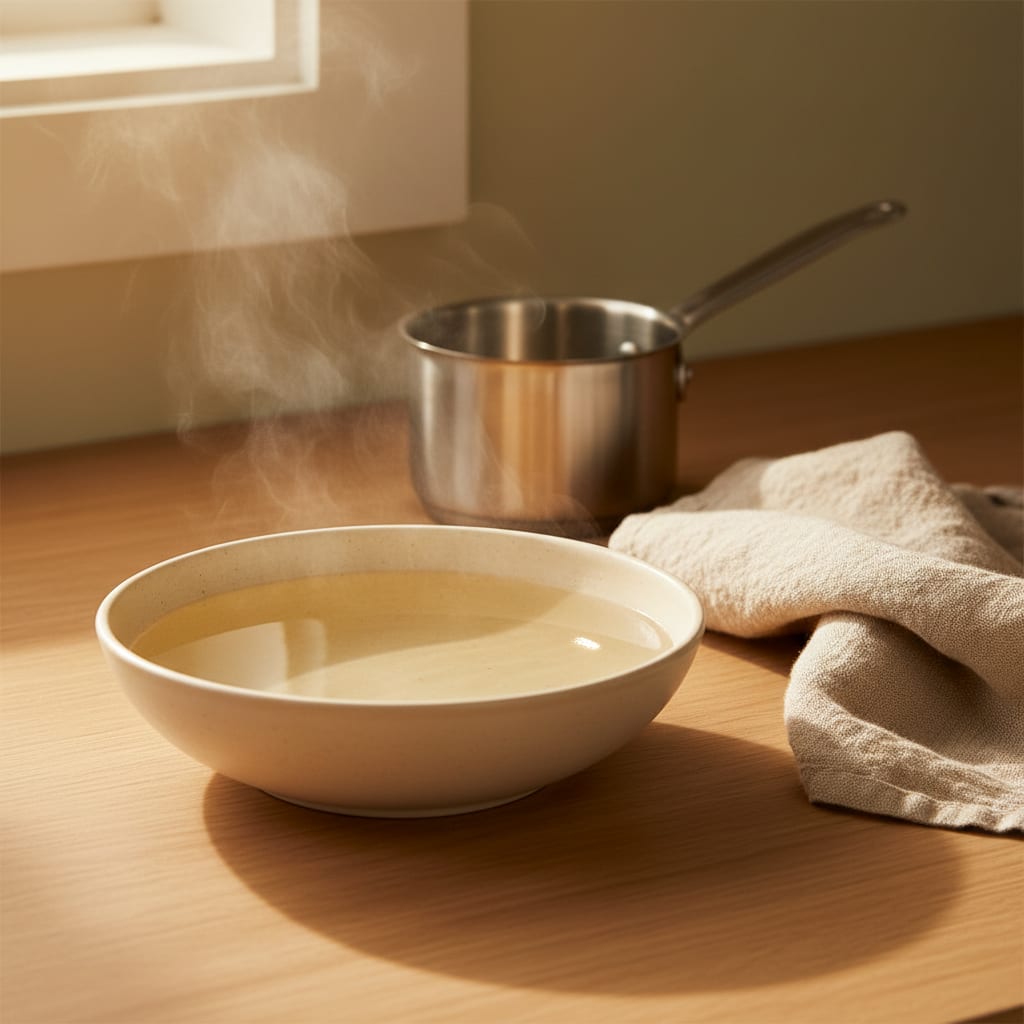
Gently and evenly. A water-bath warmer or a bowl of warm water are both fine; running warm water over the bottle is the method the CDC gives. Do not microwave it — heating is uneven and the hot spots can burn your baby’s mouth — and do not bring it to a boil.
How hot should a warmed bottle be?
Body temperature, not hot. Shake it and put a couple of drops on the inside of your wrist: it should feel warm or neutral, never warm enough to notice as heat. If in doubt, cool it under the tap and test again — an under-warmed bottle costs you nothing and an over-warmed one is a burn risk.
Are steam warmers bad for breast milk?
Not inherently, but they are less forgiving. Steam heats faster, which means the window between warm and too hot is narrower, and repeated overheating degrades milk. If breast milk is most of what you warm, a slow water-bath model is the safer default; if it is formula, speed costs you nothing.
Can you leave milk in a warmer to keep it warm?
No. Milk held warm is milk being incubated, which is why keep-warm modes make me nervous. Warm the bottle when you are ready to feed, and discard what is left rather than reheating it.