
Best Potty Training Seats and Toddler Potties
The best potty training seats by type: a floor potty, a realistic 2-in-1, toilet seat reducers, a step-stool seat and travel seats, plus the AAP's sizing rule.
In this review
- Which type do you need?
- The AAP’s rule: feet on something solid
- Quick picks
- Best toddler potty: BabyBjörn Potty Chair
- Best realistic 2-in-1: Ingenuity My Size Potty Pro
- Best toilet seat reducer: BabyBjörn Toilet Training Seat
- Best step-stool combo: Jool Baby seat with 2-step ladder
- Best travel seats
- What to skip
- FAQ
Bottom line up front: the best potty training seat is a set of two: a floor potty your toddler can sit on with their feet flat, and a toilet seat reducer for when they move up to the big toilet. For the floor potty, the BabyBjörn Potty Chair is the simple, easy-to-clean pick. For the toilet, the BabyBjörn Toilet Training Seat is adjustable to fit most toilets, and the Munchkin Sturdy Potty Seat is the budget alternative. If your child wants to climb up alone, the Jool Baby seat with a 2-step ladder combines both jobs. Once you are out and about, a folding travel seat earns its place in the bag.
How this was put together: nobody here has potty trained a child on every seat below. The sizing rules come from the AAP’s HealthyChildren page on the right age to toilet train, loaded on 23 November 2026. BabyBjörn’s details come from its own Potty Chair and Toilet Training Seat pages, loaded the same day. Everything about the other seats is the wording of their Amazon listings, read that day. No prices are printed: they move daily, and the links show today’s.
Which type do you need?
Potty training gear comes in four kinds, and they solve different problems:
- A floor potty (standalone potty chair) sits on the floor with a removable bowl. It is the easiest place for a young toddler to start: low, stable, and theirs.
- A toilet seat reducer sits on top of the adult toilet seat and shrinks the opening. It means no bowl to empty, but the child needs a way to climb up and something to rest their feet on.
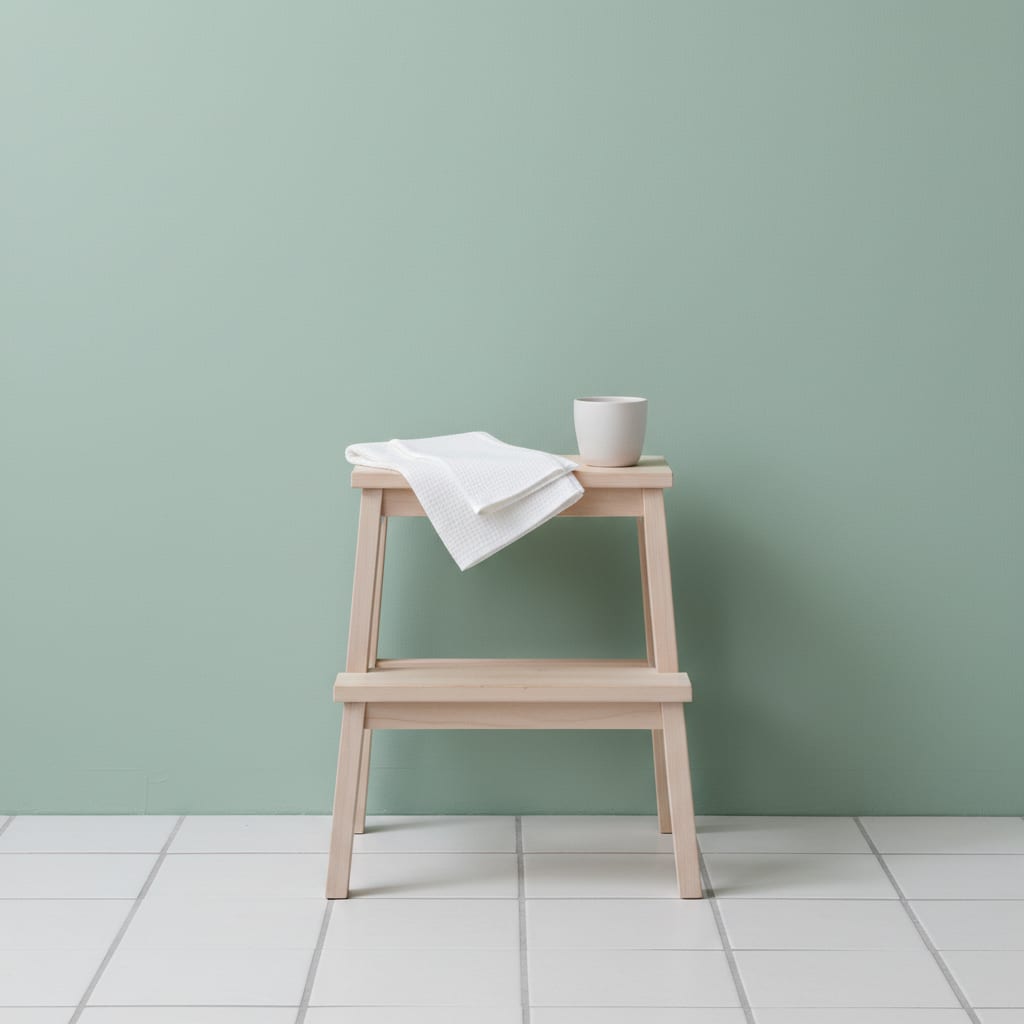
- A step-stool combo is a reducer with a ladder attached, so the child climbs up and has a footrest in one piece.
- A travel seat folds into a bag for public and friends’ toilets; some also stand on legs as a mini potty.
Most families end up with a floor potty plus a reducer, and add a travel seat once their child is reliably using one or the other. You rarely need all four.
The AAP’s rule: feet on something solid
The AAP’s toilet training page describes a potty chair as “a child-sized seat with an opening in the seat and a removable container underneath to collect pee and poop,” and gives one rule that should drive every purchase: “Children’s feet should be able to reach the floor.” When a child moves up to the adult toilet, it says to “provide a stool to brace their feet.”
That is why a reducer bought alone is half a setup. A toddler perched on an adult toilet with their legs dangling is gripping the seat, not relaxing, and that makes pooping harder. Whatever seat you buy, budget for something solid under their feet.
On timing, the AAP says that “in general, children show signs of bladder and bowel control between 18 and 24 months of age,” and lists readiness signs, such as being “dry at least 2 hours at a time during the day or is dry after naps.” Buying the potty a few weeks before you start, and letting your child sit on it clothed, is a cheap way to make it familiar. Betteroo has a fuller readiness checklist if you are not sure it is time.
Quick picks
| Seat | Type | What the maker or listing states | Best for |
|---|---|---|---|
| BabyBjörn Potty Chair | floor potty | removable inner potty, splashguard, rubber strip underneath, 14.5 x 14 x 12.5 in (BabyBjörn) | the first potty |
| Ingenuity My Size Potty Pro | 2-in-1 floor potty | ages 18+ months, up to 50 lb, removable seat for standard toilets, flushing sound (listing) | a child who wants it to look like yours |
| BabyBjörn Toilet Training Seat | toilet seat reducer | adjustable to fit most toilets, rubber edging, splashguard (BabyBjörn) | moving to the big toilet |
| Munchkin Sturdy Potty Seat | toilet seat reducer | listing names it a potty training seat | the budget reducer |
| Jool Baby seat with 2-step ladder | step-stool combo | regular toilet, ladder to climb up (listing) | a child who wants to do it alone |
| Jool Baby Folding Travel Seat | travel reducer | folds up small, pull tab (listing) | public toilets |
| Nuby Go Potty 2-in-1 | travel potty or seat | detachable legs, splash guard, 20 disposable bags, 18M+ (listing) | car trips and parks |
Best toddler potty: BabyBjörn Potty Chair
The BabyBjörn Potty Chair is the plain, well-made choice. BabyBjörn describes “soft contours, a high backrest and supportive armrests,” and says “the rubber strip underneath keeps the Potty Chair firmly in place on the floor.” It has a removable inner potty that you lift out, empty and rinse, and a splashguard. BabyBjörn lists “easy to clean” among its features.
Its size is its advantage. BabyBjörn gives the dimensions as 14.5 x 14 x 12.5 inches and says “the height of the chair makes it easy for your child to sit down and stand up unaided,” which matches the AAP’s feet-on-the-floor rule. It lists the chair as BPA-free and PVC-free.
The trade-off: no sounds, no lid, no conversion to a toilet seat. You will buy a reducer later anyway.
Best realistic 2-in-1: Ingenuity My Size Potty Pro
The Ingenuity My Size Potty Pro is the potty for a toddler who wants what the grown-ups have. Its listing describes a floor potty with a “removable potty seat for standard toilets” and a “realistic flushing sound,” for “toddlers ages 18+ months, up to 50 lb.” The removable seat is the practical feature: the same seat your child learns on moves to the adult toilet with them, which can make the switch less of a change.
The trade-off: a toilet-shaped potty has more parts than a one-piece chair, so there is more to wipe. A flush sound is fun for some toddlers and frightening for a few; you know which yours is.
Best toilet seat reducer: BabyBjörn Toilet Training Seat
For the move to the big toilet, the BabyBjörn Toilet Training Seat (sold on Amazon as the Toilet Trainer) is the one to buy first. BabyBjörn says it “can be adjusted to fit most toilets,” and that “thanks to its rubber edging and the adjustable dial underneath, the seat stays firmly in place and the splashguard prevents spills.” That adjustable fit matters: a reducer that shifts when a toddler sits down is a reducer they stop trusting. BabyBjörn also says you can hang the seat from its handle when it is not in use.
Its own page adds a reminder worth following: help your child on and off the seat “until they have learned to do this unaided.” Pair it with a sturdy step stool.
The budget alternative: the Munchkin Sturdy Potty Seat is a simpler reducer. Its listing title promises little beyond the name, so check the fit on your own toilet when it arrives and return it if it slides.
Best step-stool combo: Jool Baby seat with 2-step ladder
The Jool Baby Potty Training Seat with 2 Step Ladder is a reducer with a ladder attached, and its listing says it is for potty training “on the regular toilet,” with a “sturdy ladder” that “helps kids climb up securely & confidently.” It is the neat answer to the AAP’s footrest rule: the ladder is the stool, and the child can get on without being lifted.
It suits an independent toddler and a family with one bathroom, because nothing has to be emptied. The trade-offs: it takes up more room than a flat reducer, and it stays on the toilet, so adults have to move it out of the way. Check that it suits your toilet’s shape before you buy.
Best travel seats
For public toilets: the Jool Baby Folding Travel Potty Training Seat is a reducer that, per its listing, “folds up small for easy carrying,” with a pull tab to remove it. It is the one to keep in the bag. My diaper bag checklist explains why the bag turns into an ordinary backpack once diapers thin out; a folding seat and spare clothes are what replace them.
For car trips and parks: the Nuby Go Potty 2-in-1 is listed as an “adaptable portable travel potty & training seat” with “detachable legs and splash guard” and 20 disposable bags, for ages 18 months and up. With the legs on, it is a potty you can set down by the car; with them off, it is a seat for a public toilet. If your child goes to daycare, ask what they use there. My daycare packing list covers the extra spare clothes potty training calls for.
What to skip
A reducer with nowhere for the feet. If you only buy one thing for the adult toilet, buy the stool too.
Potties with a lot of gadgets. Music, lights and phone holders add things to break and wipe. The AAP’s suggestion for keeping it fun is books or toys for “potty time”, not features built into the seat.
Buying all four types up front. Start with a floor potty or a reducer and stool, and add only what your child turns out to need.
FAQ
Is a potty chair or a toilet seat better for potty training?
A floor potty is easier for most young toddlers, because their feet reach the floor, as the AAP advises. A toilet seat reducer works well too, as long as you add a step stool for their feet.
What age should you buy a potty?
The AAP says children generally show signs of bladder and bowel control between 18 and 24 months. Buy the potty a few weeks before you plan to start, so it is familiar.
Do toilet seat reducers fit every toilet?
Not all of them. BabyBjörn says its seat adjusts to fit most toilets. Check any reducer for wobble on your own toilet before your child uses it.
Do I need a travel potty seat?
Once your child is reliably using a potty at home, a folding travel seat makes public toilets less frightening and fits in a diaper bag. Before that, it can wait.
More reviews
Brand Reviews
Solly Baby Wrap Review: The Fourth-Trimester Test
Registry & Checklists
15 Baby Products You Don't Need (Tested the Hard Way)
Registry & Checklists