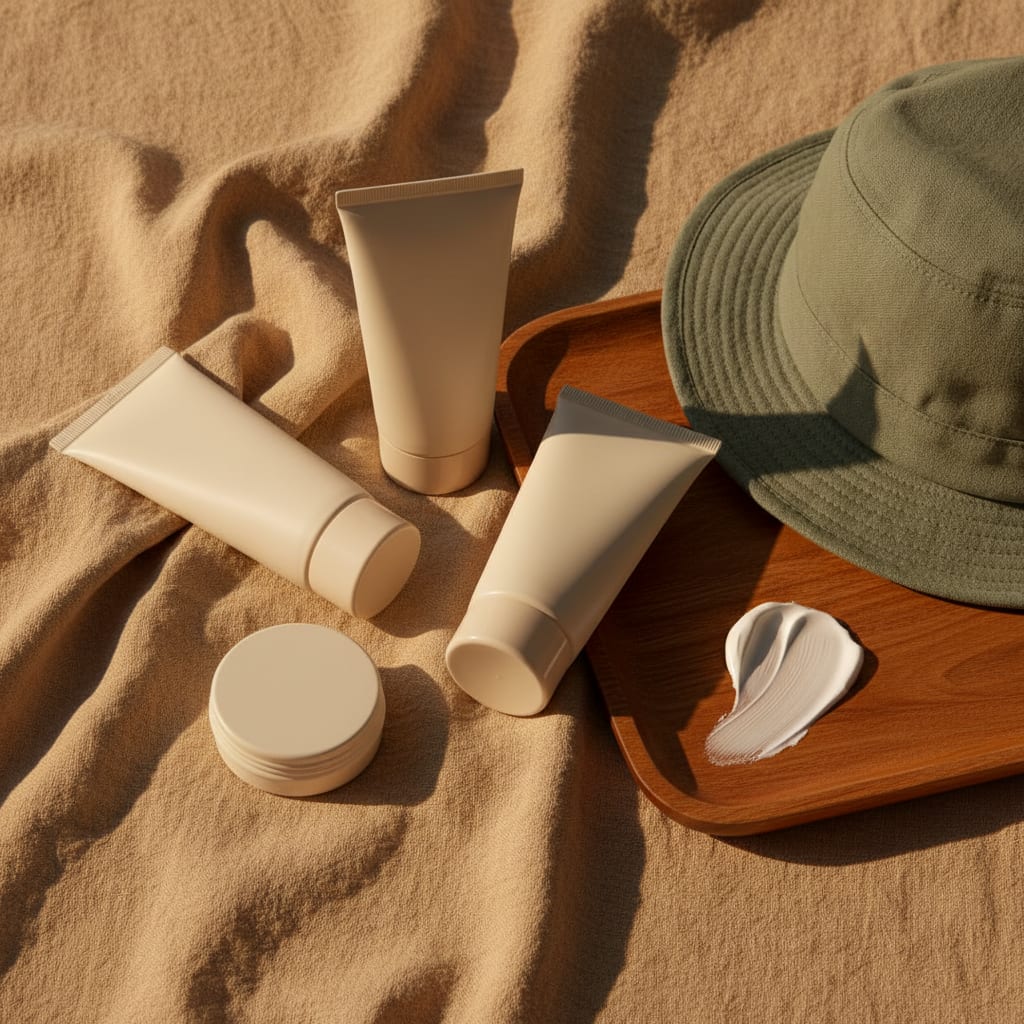
Bottom line up front: the best mineral baby sunscreen is a zinc-oxide-based SPF 30 to 50 lotion with a texture you’ll actually reapply every two hours — because the reapplication, not the brand, is what protects your kid. Mineral filters (zinc oxide and titanium dioxide) are the ones the FDA currently classes as GRASE — “generally recognized as safe and effective” — which is why they’re the standard recommendation for babies and the entire premise of this roundup. The catch nobody’s label admits: mineral formulas are thicker, whiter and harder to spread than chemical ones, and a sunscreen that’s a wrestling match doesn’t get reapplied. Texture is a safety feature. Shop for it.
Standard signpost first: for babies under six months, the AAP’s guidance is shade, clothing and hats as the primary strategy, with sunscreen only in small amounts on exposed spots when shade isn’t possible — and your pediatrician is the right referee for your specific baby. I’ve sunscreened two squirming kids through several beach summers. Affiliate links never change my verdicts.
What “mineral” buys you, honestly
Mineral filters sit on the skin and are the low-irritation, low-controversy choice — that part of the marketing is fair. Two corrections to the rest of it:
“Reef safe” is unregulated. It usually signals “no oxybenzone/octinoxate,” which mineral formulas don’t contain anyway. Fine sentiment, empty differentiator.
Chemical sunscreens are not poison. The FDA has asked for more absorption data on several chemical filters — a real, ongoing scientific process — but sunburn is a harm we’re certain about. A chemical sunscreen beats no sunscreen every single time. Mineral-first for babies is the conservative default, not a purity test; this is the same no-fear-mongering framework as my baby lotion ingredient reading.
SPF theater is real. Above SPF 30–50, gains are marginal and marketing does the rest. The tested-versus-labeled SPF gap that consumer-testing outfits keep finding is one more argument for buying a texture you’ll apply generously, since under-application is how everyone actually loses SPF.
How I tested past the label
Three checks per tube, no lab required: the forearm stripe (a measured blob spread over one forearm — how long to rub in, how white is the cast after five minutes); the sand test (does the finish stay tacky enough to breade a toddler in playground grit); and the wrestle timer (can I do a full squirming application in under about ninety seconds — past that, real-world coverage quality collapses). Weirdly, almost no sunscreen content tests for any of this, and it’s everything.
Picks by class
The daily-drivers (roughly $10–$16 a tube): mass-market zinc lines — the Blue Lizard Baby, Thinkbaby, Aveeno Baby mineral class. Mid-thick lotions, moderate cast, pass the wrestle timer. This tier is the answer for most families; buy multiples and stash one in every bag, because the sunscreen you have with you outranks the better one at home.
The sensitive-skin minimalists (roughly $14–$20): shorter ingredient lists, fragrance-free, higher zinc percentages — the Vanicream and CeraVe Baby mineral class. Thickest textures and strongest white cast of the bunch; the trade is fewer variables on reactive skin. If eczema is in the picture, this tier plus a pediatrician conversation.
The premium-organic tier (roughly $16–$25): Badger, Earth Mama and friends, with certified-organic bases around the zinc. You’re buying sourcing values and often very honest formulas — but review the texture tests ruthlessly, because this tier contains both the nicest and the most cement-like sunscreens I’ve handled.
Sticks (roughly $8–$14): a supplement, not a solution. Perfect for faces and ears on a kid in motion; nearly impossible to dose adequately for a whole body. Sticks pass the wrestle timer precisely because they under-deliver product.
One adjacent honesty note: a UPF swim shirt at around $15–$25 covers more torso than any sunscreen application you’ll realistically achieve, needs no reapplication, and per the AAP hierarchy it’s the higher-leverage purchase — the same categorical logic as the non-toxic shampoo post: solve the problem structurally, then buy the product for what remains.
The cost math
A beach-going family burns through several tubes a summer — call it four tubes. Daily-driver tier: around $50 a season. Premium tier: closer to $80–$100 for the same protection chemistry, since zinc oxide is zinc oxide. The premium delta buys texture, values and sometimes genuinely nicer application experiences — legitimate purchases, but name them for what they are. And before paying the “baby” premium at all, flip the adult mineral sunscreen in your cabinet around: if it’s fragrance-free zinc oxide, it’s often the same formula in different packaging.
FAQ
Can I use sunscreen on a baby under 6 months?
The AAP’s position is shade, clothing and hats first at that age, with small amounts of sunscreen on exposed areas like the face and hands when shade isn’t available. Babies this young have more surface area per pound and thinner skin, so the avoid-the-need-entirely strategy genuinely is the plan — and your pediatrician should get the specific questions.
Is titanium dioxide as good as zinc oxide?
They’re the two GRASE mineral filters and often appear together. Zinc oxide covers a somewhat broader UVA range on its own, which is why zinc-forward formulas are the usual mineral recommendation; a combined formula labeled broad-spectrum is fine. I default to zinc-primary and don’t sweat the ratio.
Do mineral sunscreens work immediately?
Practically, yes — the “wait 15 minutes” ritual matters most for water resistance and rub-off rather than the filters starting to function. Give any sunscreen a few minutes to set before the pool regardless, and reapply after towel-offs no matter what the water-resistance minutes on the label promise.
What about spray sunscreens for kids?
I skip them for little kids: dosing is unverifiable, wind steals half the product, and inhalation around small faces is a fair concern regulators have flagged for aerosols generally. If a spray is what gets a defiant seven-year-old covered, spray into your hands and wipe it on — for the under-three crowd this roundup serves, lotions win outright.