Bottom line up front: a baby who fights the swaddle but is not yet showing signs of rolling is usually objecting to arm position, not to being contained — and there is gear for that. The two changes that fix most of these babies are an arms-up swaddle, which lets them keep their hands near their face while still damping the startle reflex, or a one-arm-out setup that tests whether they need containment at all. What no product changes is the deadline: the moment a baby starts trying to roll, swaddling stops, permanently, no matter how well it was working.
I bought and tested a drawer of these with my own money across two very different babies. Affiliate links never change my verdicts.
The rule no gear can bend
Swaddling ends at the first signs of rolling — not at the first successful roll, not once it becomes a habit, and not when it is convenient. A swaddled baby who gets onto their front cannot use their arms to lift or turn their head, which is the single reason this rule exists and why it is written as a hard stop rather than a suggestion.
Watch for the signs that arrive before the roll itself: rocking side to side, getting a shoulder up off the mattress, arching and twisting at the hips, or waking up angled across the cot. Most babies show these between three and four months, some considerably earlier. Betteroo’s explainer on when babies typically start rolling is a good calibration.
Two more non-negotiables. No weighted swaddles, sacks or blankets, in any brand, at any age — the fact that they are sold does not make them a recommendation. And no inclined sleepers; a flat, firm surface is the only correct place for a swaddled baby, always on the back.
Work out which kind of fighter you have
“Hates the swaddle” covers four different babies, and they need four different responses.
The arms-down protester goes rigid the moment their hands are pinned at their sides, but settles instantly if you hold their arms up near their face. The most common version, and the most fixable.
The escape artist goes in fine and is out by 1 a.m., usually with one arm free and the fabric bunched near the chin. That is a fit problem, and loose muslin wrapping is almost always the culprit.
The overheated baby fusses, goes red and damp at the back of the neck, and would be doing this in any garment.
The hungry baby is not making a swaddle argument at all. Rule this one out first.
The arms-up fix
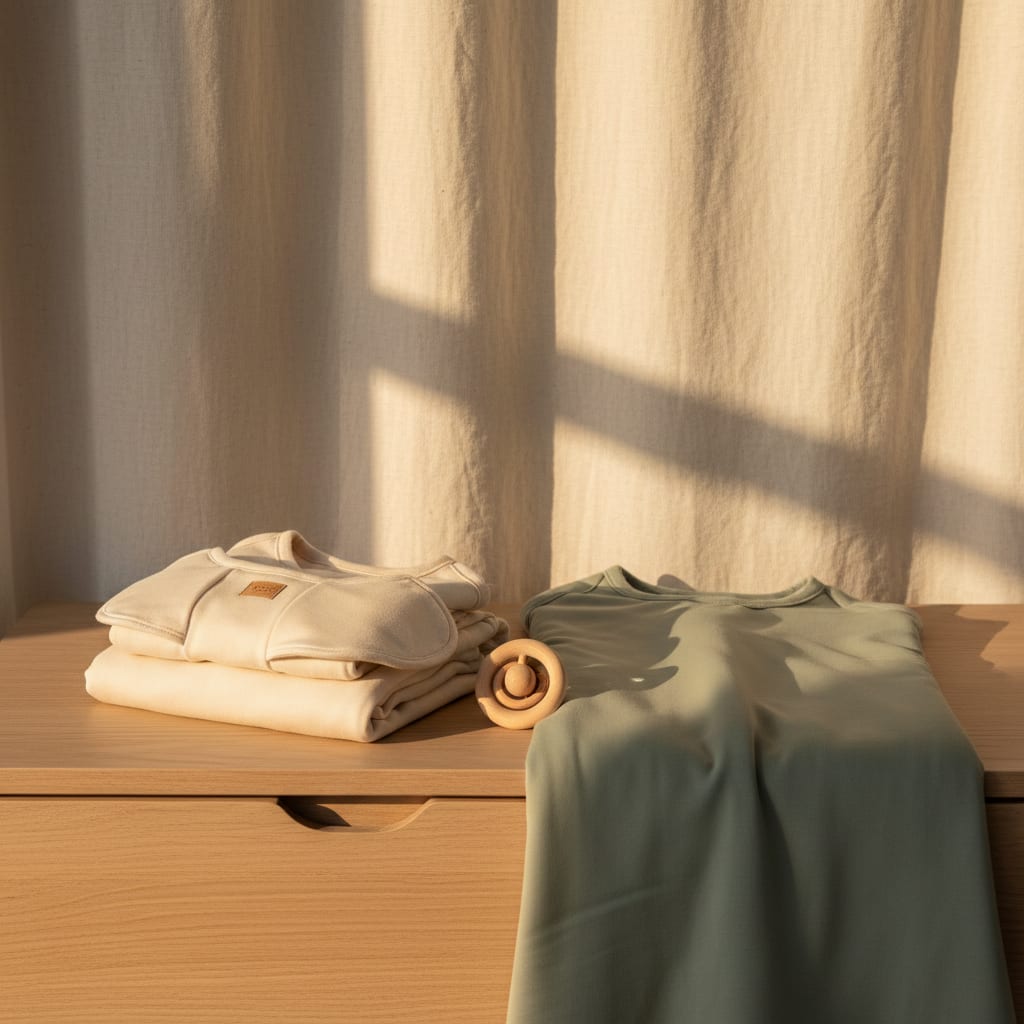
For the arms-down protester, an arms-up design is the whole answer. The Love to Dream Swaddle Up holds the torso snugly with a stretchy cotton-elastane body while the arms stay up in a wings position beside the head — so the startle reflex still gets damped, but the baby keeps hands near the face for self-soothing. In my house this was the difference between forty-minute nights and four-hour ones on my second baby, who loathed a traditional wrap from day one.
Two cautions worth more than the product pitch. Buy by current weight rather than sizing up, because a loose swaddle of any design is the risk you are trying to remove. And the arms-up shape does not move the rolling deadline by a single day — the arms are still contained, so it stops when rolling signs appear, exactly like a classic wrap. Betteroo’s newborn swaddle buying guide is a useful look at the designs rather than the brands.
The one-arm-out test
Before you buy anything else, spend two nights on this. A three-way adjustable swaddle like the HALO SleepSack Swaddle lets you run arms-in, one-arm-out or two-arms-out in the same garment, which turns a guessing game into an actual test.
Run arms-in on night one, one-arm-out on night two, and watch which produces the longer first stretch. A baby who does better with one arm free has outgrown the need for full containment, and you have your answer without buying a second product. A baby who does noticeably worse still has a live startle reflex, and the arms-up route is the better next purchase.
An adjustable design is also your exit vehicle. When rolling signs arrive, you unzip to two-arms-out and it becomes an ordinary wearable blanket that same night — no new garment, no new bedtime routine.
Check the room before you blame the swaddle
Half the babies I have heard described as swaddle-haters were simply too warm, and the wrap was just the layer that got the blame. Put a thermometer at mattress height rather than trusting the thermostat or a monitor’s readout, read it at 3 a.m., and dress from that number down. The temperature-to-layer table is in my nursery temperature guide, and it is free to act on.
The exit ramp, planned in advance
Buy the transition garment before you need it, because rolling signs do not give notice. Two routes work.
The zip-off route: a Love to Dream Swaddle Up Transition has wings that detach, so you go arms-in, then one wing off, then both, in the same familiar garment over roughly a week — the gentlest option for a baby who genuinely relied on containment.
The cold-turkey route: straight into a plain arms-free sleep sack, with two to four rough nights while the startle reflex reasserts itself. My sleep sack testing covers TOG matching for whichever sack you land on, and it is worth getting right the same week — an arms-free baby loses the swaddle’s insulation and often needs a warmer TOG than they were effectively wearing before.
What this costs, honestly
An arms-up swaddle and an adjustable swaddle together run roughly $30 to $50, and you need two of whichever one wins because one is always in the wash. That is a real spend for a stage measured in weeks, so do not buy the whole ladder up front: run the one-arm-out test first, add the arms-up version only if the test says you need it, and skip the transition garment entirely if your baby handles cold turkey.
What I would not do is buy a motion bassinet to solve a swaddle problem. Those devices hit their own rolling limits at exactly the same moment, which is the timing trap I set out in my SNOO alternatives piece — a several-hundred-dollar answer with the same expiry date as a $25 one.
FAQ
My baby hates being swaddled but sleeps terribly without it. What now?
Try arms-up before you give up on containment. Most babies described as swaddle-haters object to having their hands pinned at their sides, not to the snugness around the torso, and an arms-up design keeps the calming pressure while giving the hands back.
Is it safe to swaddle with one arm out?
Yes, and it is a standard step. Keep the wrap snug across the chest but loose enough at the hips that the legs can bend and move freely, and never place a swaddled baby anywhere but on their back on a flat, firm surface.
When exactly do I have to stop swaddling?
At the first signs of attempting to roll — rocking, getting a shoulder up, twisting at the hips — not at the first completed roll. For most babies that lands somewhere around three to four months, and for some it is earlier. Once you see it, arms come out that night and stay out.
Are weighted swaddles safe for a baby who fights the swaddle?
No. Weighted swaddles, sacks and blankets are not appropriate for infant sleep, and a baby fighting containment is not a reason to add weight. If a shop assistant or an advert suggests otherwise, the answer is still no.
Could this be a schedule problem rather than a swaddle problem?
Often, yes — especially if the fighting is concentrated at bedtime rather than through the night. An overtired baby fights everything, and the swaddle is simply what is in their hands. Betteroo’s free sleep quiz builds an age-matched wake-window plan in a couple of minutes, and it is a cheaper first move than another garment.
Final word
Change the arm position, check the room, and run the one-arm-out test before you spend anything else. Then keep the deadline in front of you: the day the rolling attempts start, the swaddle’s job is over, and no amount of improved sleep buys it an extension.